
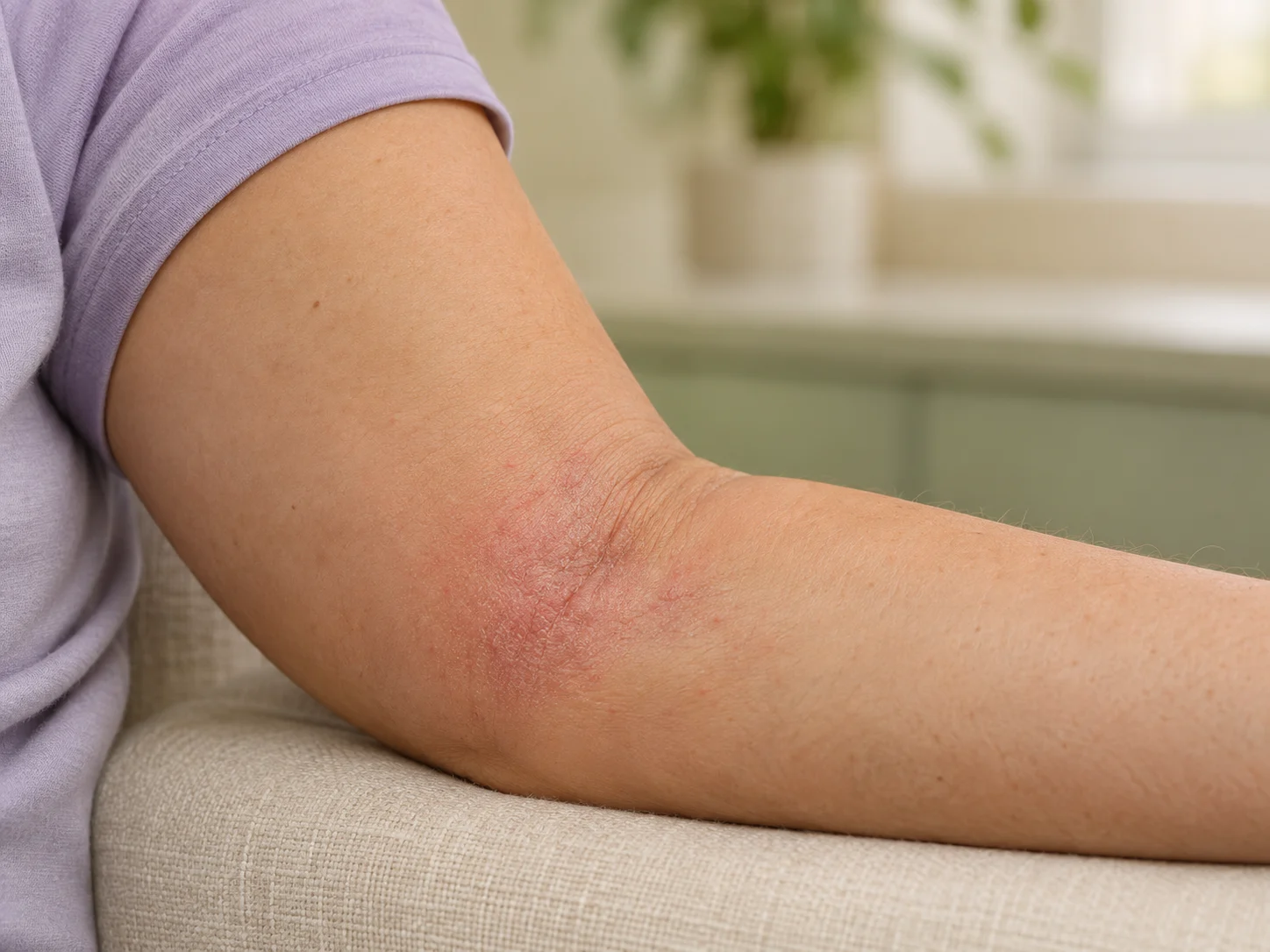
Atopic Dermatitis (Eczema) Treatment
Understanding atopic dermatitis
Atopic dermatitis is a common form of eczema that causes dry, itchy skin. Symptoms can include irritated patches, rough texture, and changes in skin color. The condition can affect children and adults, with symptoms varying between individuals. Flareups may interrupt sleep and make everyday activities feel uncomfortable or frustrating. Understanding your symptoms helps establish a starting point for care suited to you.
Your skin, your daily life
An evaluation considers how your skin feels and how symptoms affect daily life. Your dermatologist examines affected areas and asks about symptom patterns and previous treatments. Bring a list of skincare products, medications, and anything that seems irritating. Photographs of previous flareups can help when symptoms are quieter during your visit. This conversation helps distinguish eczema from other conditions and identify your care priorities.
A treatment plan with clear goals
Eczema treatment aims to reduce itching, manage inflammation, and support the skin barrier. Your dermatologist may recommend moisturizers, prescription topical medications, or other appropriate treatment options. More persistent symptoms may require additional therapies selected according to individual health considerations. Discuss expected benefits, possible side effects, and practical instructions before starting your plan. Treatment choices should reflect your age, affected areas, symptom severity, and previous responses.
Small routines that support comfort
Gentle skincare can complement treatment and help protect skin that becomes easily irritated. Your dermatologist can recommend fragrance free moisturizers and cleansing habits for your skin. Avoid harsh scrubbing, and discuss products that cause stinging or worsening discomfort. Individual triggers can differ, so tracking patterns may help inform your ongoing care. Ask for clear guidance about using prescribed treatments alongside your daily skincare products.
Care that adapts as symptoms change
Atopic dermatitis often follows a changing course, including calmer periods and recurring flareups. Regular followup allows your dermatologist to review progress and adjust treatment when appropriate. Let the practice know if symptoms worsen or treatment causes unexpected skin irritation. Seek prompt medical care for rapidly spreading redness, fever, or painful skin changes. Contact Nahhas Dermatology to discuss your concerns and arrange a personalized eczema evaluation.