
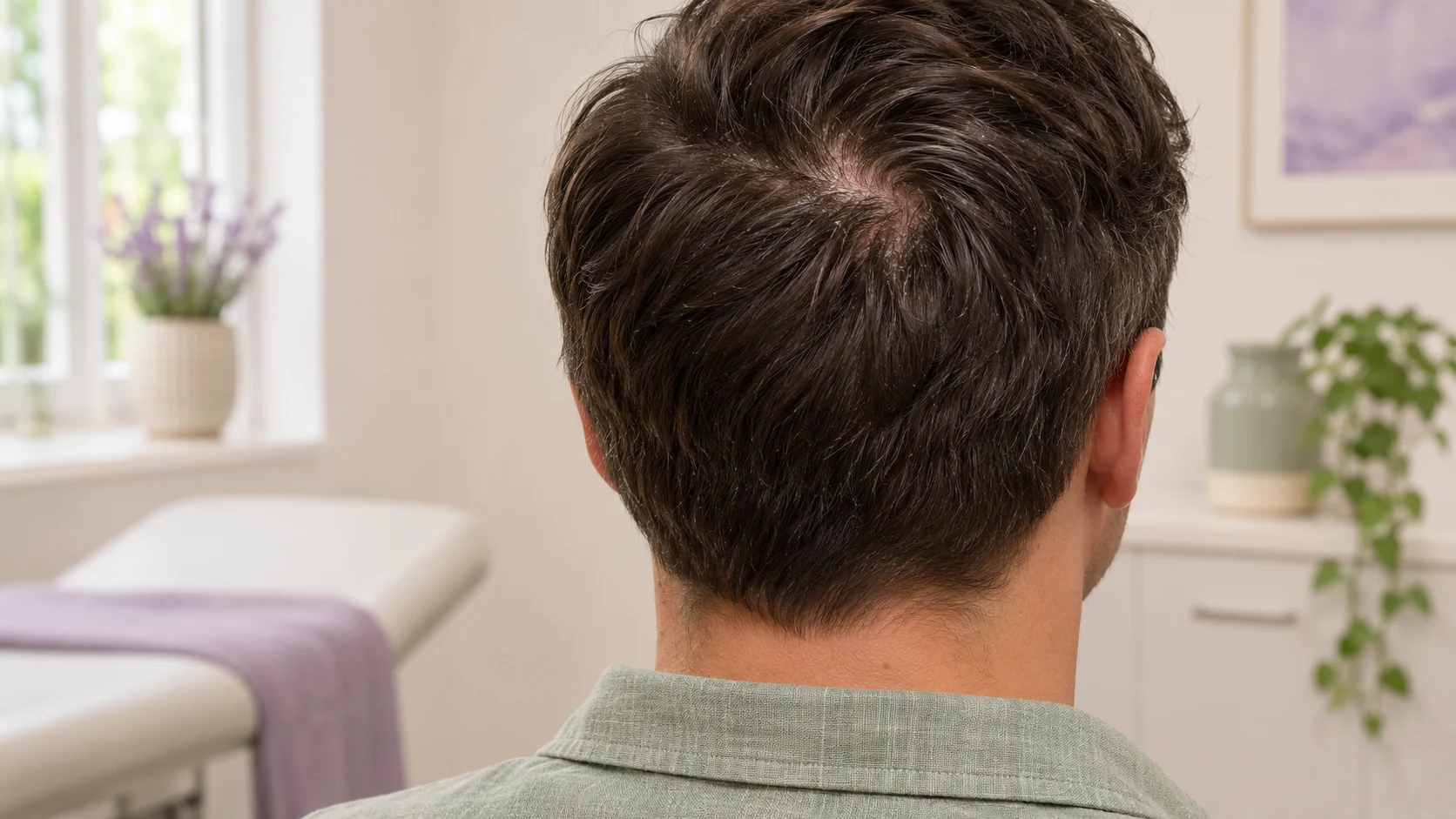
Seborrheic Dermatitis (Dandruff) Treatment
Understanding scalp flakes and irritation
Seborrheic dermatitis is a common inflammatory condition affecting the scalp and other oily areas. It can cause recurring flaking, itching, and patches of irritated or discolored skin. Dandruff involves scalp flaking and can occur without the inflammation seen in dermatitis. Symptoms may fluctuate over time, with periods of improvement followed by renewed irritation. An evaluation helps clarify what is causing your symptoms and guides appropriate care.
When it is time for an evaluation
Persistent scalp symptoms deserve attention when ordinary products have provided little lasting relief. Similar symptoms can occur with psoriasis, contact dermatitis, and some scalp infections. Your dermatologist examines affected areas and reviews your symptoms, products, and previous treatments. Mention any spreading irritation, discomfort, broken skin, or unexpected changes in hair growth. Sharing these details helps your dermatologist distinguish possible causes and recommend next steps.
Treatment that fits your scalp and skin
Treatment depends on the affected areas, symptom severity, and your individual health needs. Your dermatologist may recommend a medicated shampoo or an appropriate topical antifungal treatment. Additional prescription treatments may help manage inflammation when your symptoms require further attention. Instructions can differ between products, so discuss how and when to use them. Your care plan should balance symptom control, skin sensitivity, and a manageable routine.
Gentle care between appointments
A consistent care routine can support treatment without adding unnecessary scalp irritation. Follow the washing schedule recommended for your scalp, hair type, and prescribed products. Avoid scratching or forcefully removing flakes, which can further irritate affected skin. Tell your dermatologist about products that cause burning, stinging, or increased discomfort. Reviewing your routine together can help identify practical changes that support everyday comfort.
Managing a condition that can return
Seborrheic dermatitis can return, even after treatment has improved visible symptoms and itching. Your dermatologist may recommend ongoing maintenance care based on your symptoms and response. Followup visits offer opportunities to review progress and adjust your plan when needed. Contact the practice if symptoms worsen, treatment causes irritation, or new concerns develop. Schedule an evaluation at Nahhas Dermatology to discuss care for your scalp and skin.