
Psoriasis Treatment and Care
Understanding psoriasis
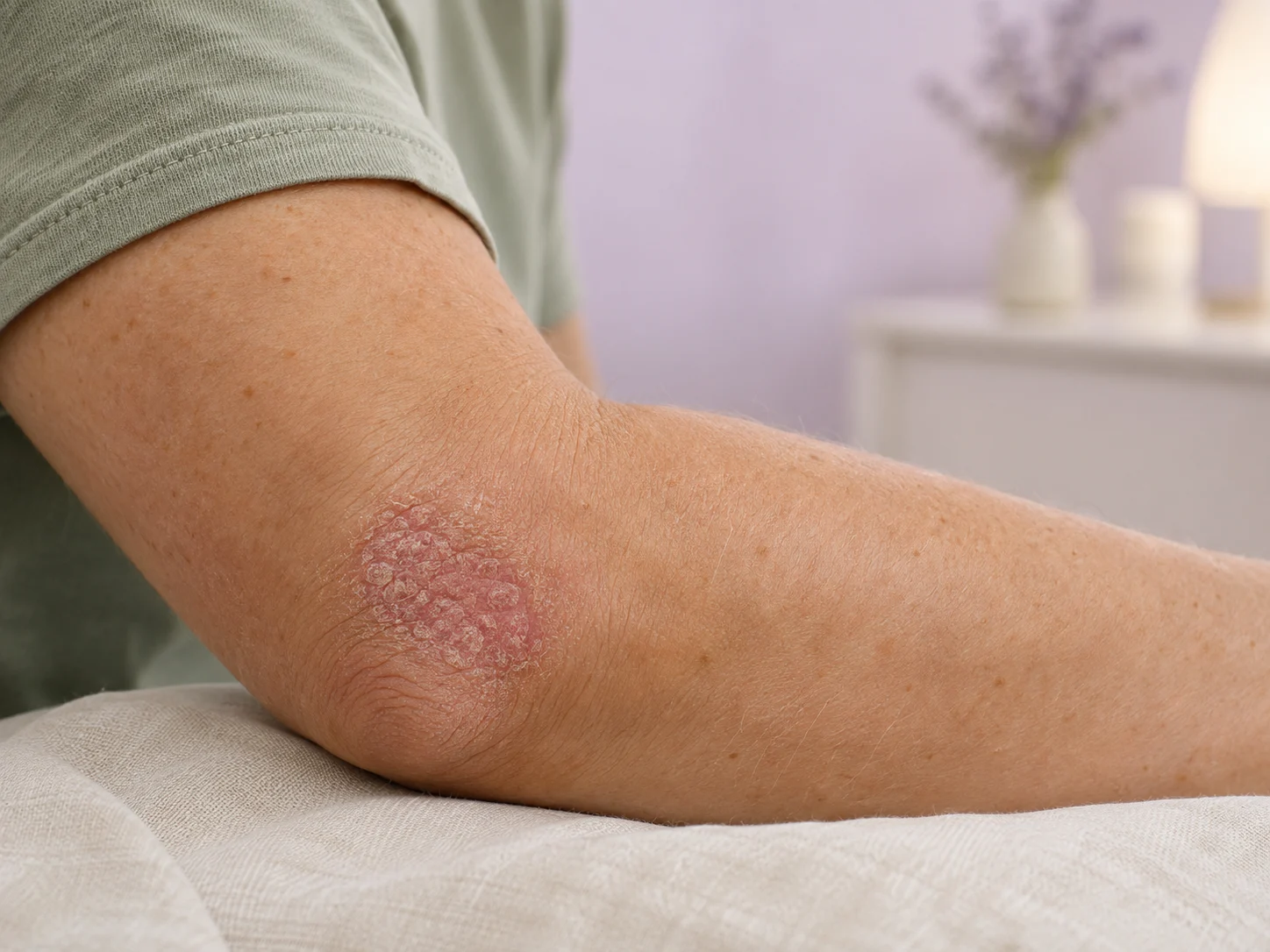
Psoriasis is a lasting inflammatory condition that can cause raised, scaly skin patches. These patches may itch, feel sore, or develop cracks that become uncomfortable. The appearance of psoriasis can vary across different skin tones and body areas. Symptoms often change over time, with quieter periods followed by renewed skin activity. Understanding your pattern of symptoms helps guide care that addresses your individual needs.
An evaluation beyond the surface
Your visit considers the type of psoriasis and its impact on daily life. Your dermatologist examines affected skin and asks about treatments, medications, and medical history. Mention changes involving your scalp or nails, even when they seem unrelated. Tell your dermatologist about joint pain, swelling, or stiffness because these symptoms matter. A thorough conversation helps identify concerns that may require additional evaluation or coordinated care.
Options shaped around your needs
Psoriasis treatment aims to reduce symptoms and improve skin health with realistic goals. Depending on your needs, your dermatologist may discuss topical medications or other treatments. Some people benefit from light therapy or medications that work throughout the body. Recommendations depend on severity, affected areas, previous responses, and other health considerations. Discuss potential benefits, risks, monitoring requirements, and practical instructions before starting any treatment.
Supporting your skin every day
Gentle daily care can complement treatment and help reduce avoidable irritation of psoriasis. Ask your dermatologist about moisturizers and cleansing habits suited to your skin. Avoid picking at scales or scrubbing affected areas, which can worsen skin irritation. Recording possible triggers and symptom changes can help make followup conversations more useful. Bring questions about products, activities, and medication use so your routine remains manageable.
A plan that moves forward with you
Psoriasis can require ongoing management, and the best approach may change over time. Followup visits allow your dermatologist to review symptom control and treatment tolerability. Report new joint symptoms promptly so they can be assessed and addressed appropriately. Keep discussing your priorities, including comfort, sleep, daily activities, and concerns about treatment. Contact Nahhas Dermatology to arrange an evaluation and explore personalized care for psoriasis.