
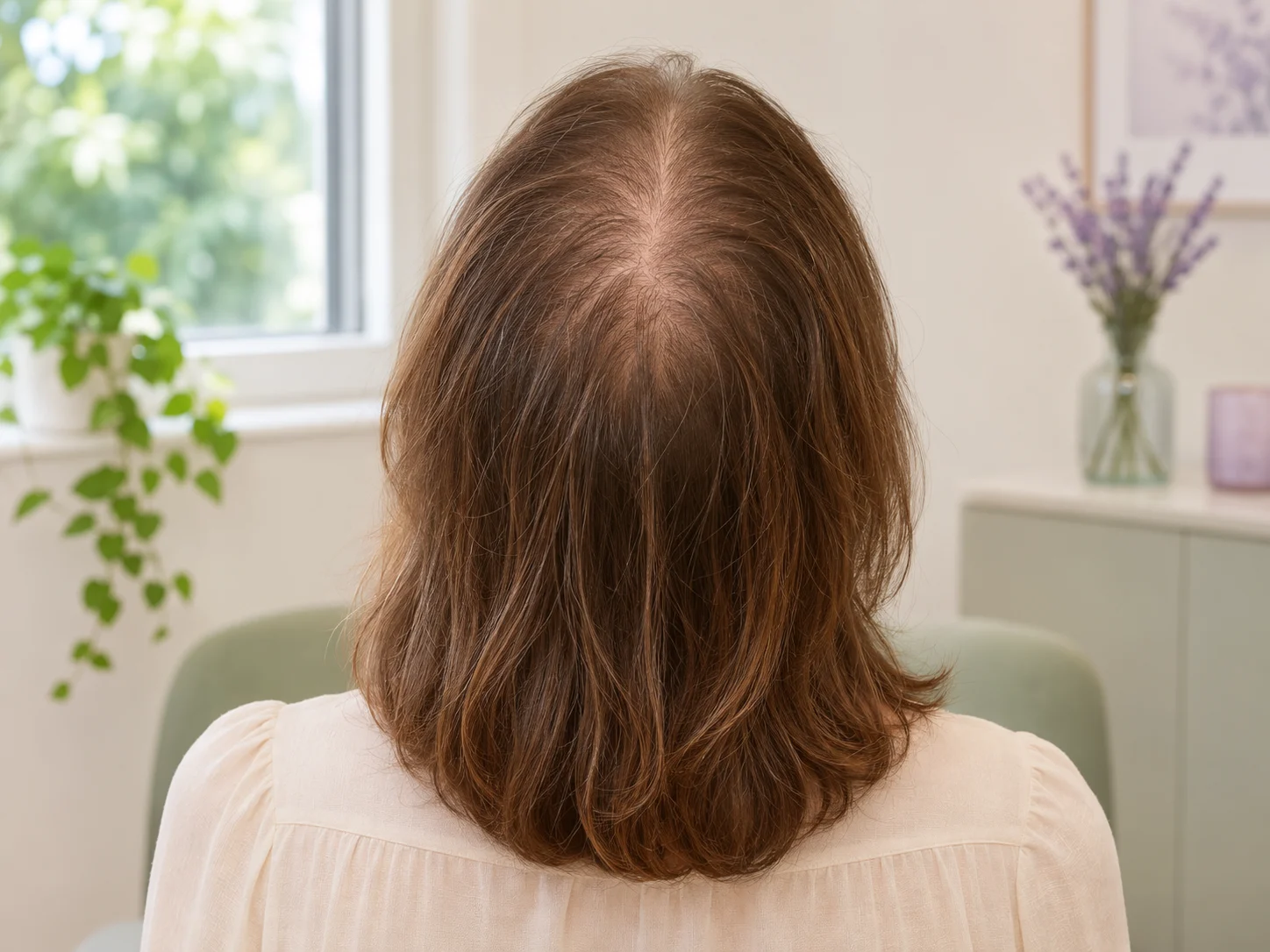
Hair Loss and Alopecia Treatment
Understanding the changes you are seeing
Alopecia is a medical term for hair loss, which can take different forms. You may notice gradual thinning, increased shedding, or patches where hair becomes sparse. Some causes involve inherited patterns, while others relate to inflammation or health changes. The pattern and timing of hair loss provide useful clues during an evaluation. Identifying the cause helps your dermatologist explain which next steps may be appropriate.
An evaluation centered on your history
Your visit begins with a conversation about when changes started and how they progressed. Your dermatologist examines your scalp and may assess other areas affected by hair loss. Bring information about medications, supplements, recent illnesses, family history, and previous hair treatments. Additional tests may be considered when your history or examination suggests they are needed. This approach helps distinguish different causes and supports recommendations based on your individual situation.
Treatment begins with the right diagnosis
Hair loss treatment depends on its cause, your overall health, and your personal priorities. Your dermatologist may discuss topical medications, prescription treatments, or observation when medically appropriate. Different types of alopecia require different approaches, and some forms can cause permanent loss. Discuss expected benefits, possible risks, and realistic timelines before choosing a treatment plan. Your dermatologist can also explain whether ongoing treatment or additional evaluation may be necessary.
Supporting your hair and scalp gently
Gentle hair care can help limit unnecessary breakage and tension on vulnerable hair. Ask your dermatologist about hairstyles and routines that avoid pulling tightly on your scalp. Tell the practice about scalp discomfort, itching, scaling, or irritation from hair products. Discuss supplements before taking them, because they may be unnecessary or affect medical testing. Practical recommendations should fit your hair type, your diagnosis, and your everyday routine.
Following progress with realistic expectations
Changes in hair growth often take time, and individual responses to treatment can vary. Followup visits allow your dermatologist to assess changes and review how treatment is tolerated. Photographs taken consistently may help document your pattern of hair loss over time. Contact the practice if hair loss changes suddenly or new scalp symptoms develop. Arrange an evaluation at Nahhas Dermatology to discuss your concerns and personalized care options.